Architecture on screen · 2001
Harry Potter and the Philosopher’s Stone filming locations
Hogwarts draws its architecture from several real medieval institutions, alongside extensive sets and visual effects.
Directed by Chris Columbus · 4 documented locations
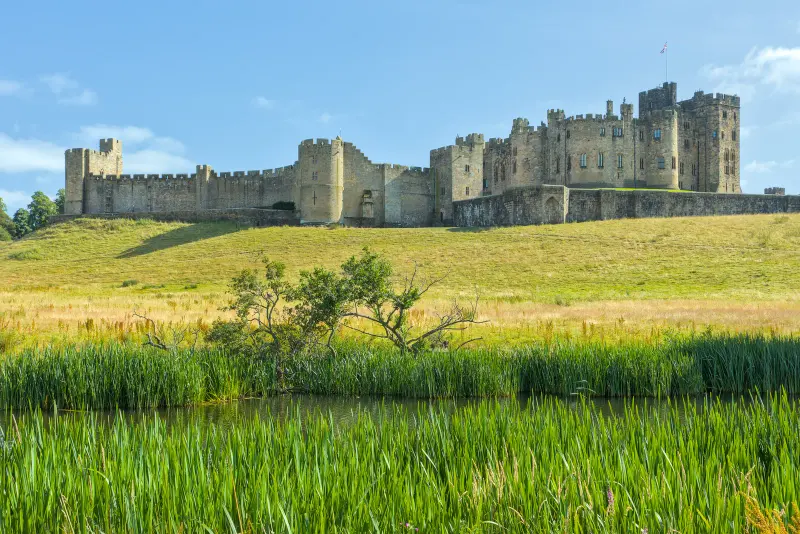
Alnwick Castle
Alnwick, Northumberland, United Kingdom
Medieval builders; later Robert Adam and Anthony Salvin
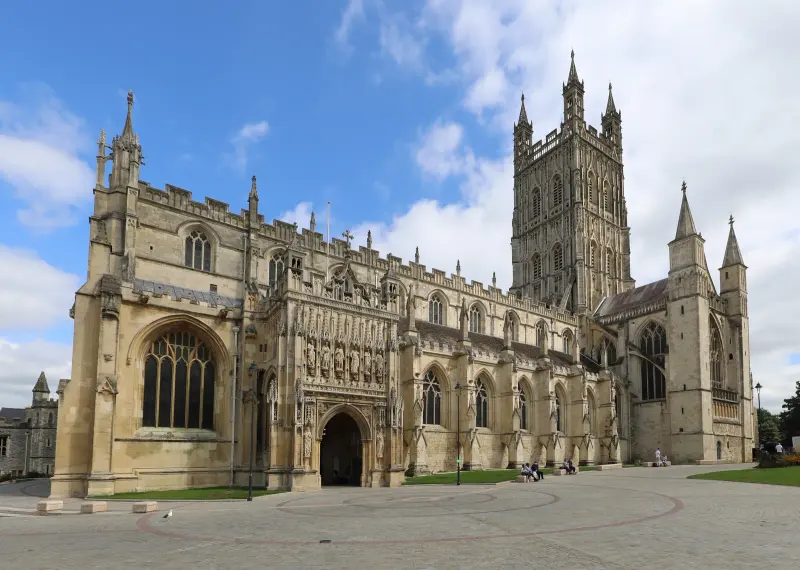
Gloucester Cathedral
Gloucester, United Kingdom
Medieval master masons
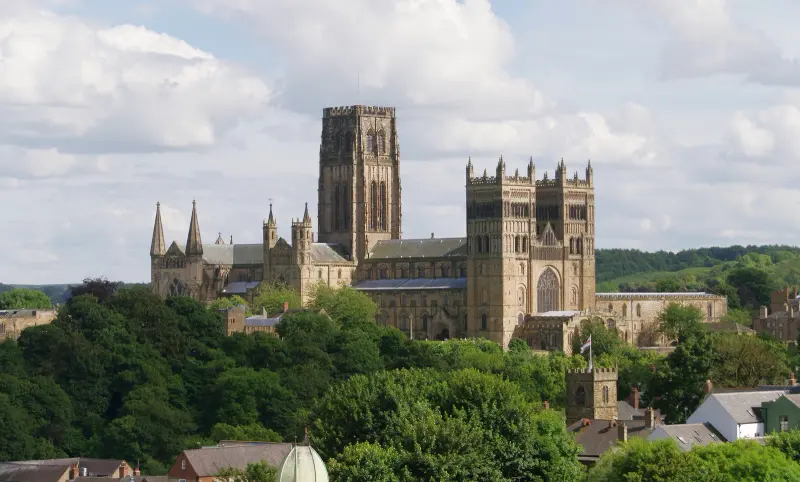
Durham Cathedral
Durham, United Kingdom
Medieval master masons
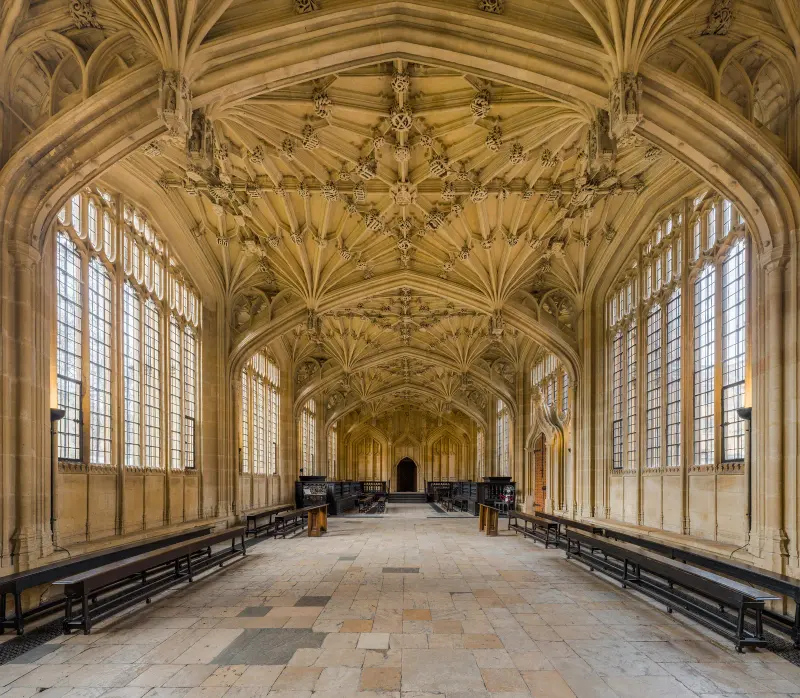
Divinity School, Oxford
Oxford, United Kingdom
William Orchard and other medieval master masons
Alnwick Castle
On screen: Hogwarts grounds and flying lessons
The castle documents its use in the first two Potter films. Its grounds supply the recognisable flying-lesson setting.
- Architect / attribution
- Medieval builders; later Robert Adam and Anthony Salvin
- Building chronology
- 11th century onward; major later remodelling
- Place
- Alnwick, Northumberland, United Kingdom
In the film
Movie frames and production stills are shown separately from photographs of the real building. Film and image credits remain with their respective owners.
Movie frame
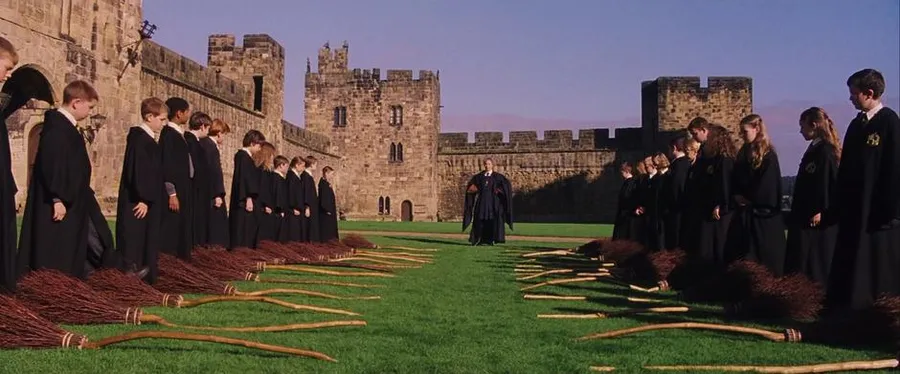
Warner Bros. · Scene image source
Movie frame
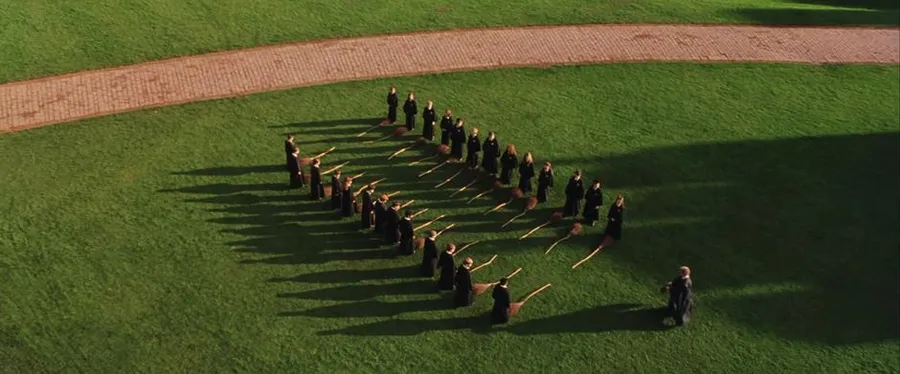
Warner Bros. · Scene image source
Filming evidence
Gloucester Cathedral
On screen: Hogwarts corridors
Gloucester’s cloisters become corridors within the composite screen school. They are part of a working cathedral.
- Architect / attribution
- Medieval master masons
- Building chronology
- Cathedral begun 1089; cloisters largely 14th–15th centuries
- Place
- Gloucester, United Kingdom
In the film
Movie frames and production stills are shown separately from photographs of the real building. Film and image credits remain with their respective owners.
Movie frame
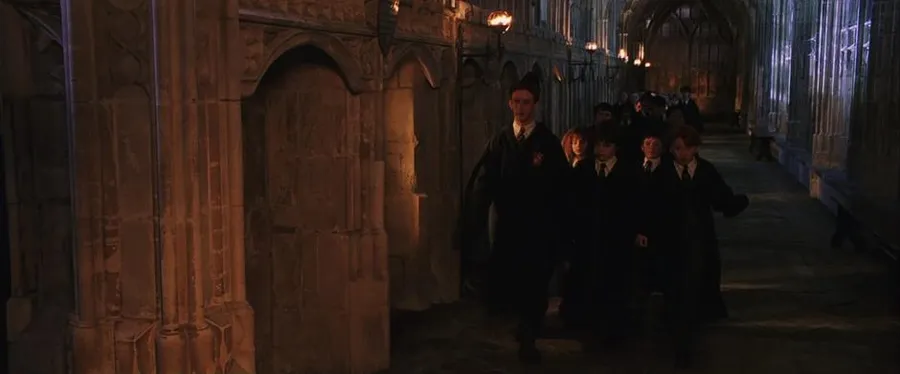
Warner Bros. · Scene image source
Movie frame
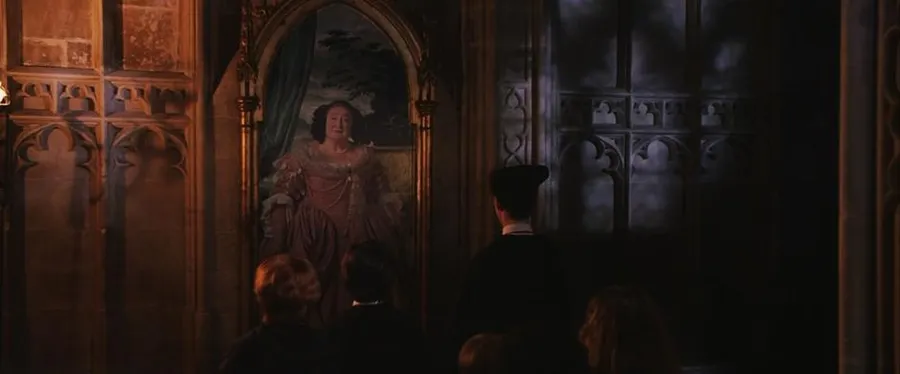
Warner Bros. · Scene image source
Filming evidence
Durham Cathedral
On screen: Hogwarts cloisters and classroom spaces
Durham confirms locations across the cathedral were used in the first two films, including the cloisters and Chapter House.
- Architect / attribution
- Medieval master masons
- Building chronology
- 1093–1133; later cloisters and additions
- Place
- Durham, United Kingdom
In the film
Movie frames and production stills are shown separately from photographs of the real building. Film and image credits remain with their respective owners.
Movie frame
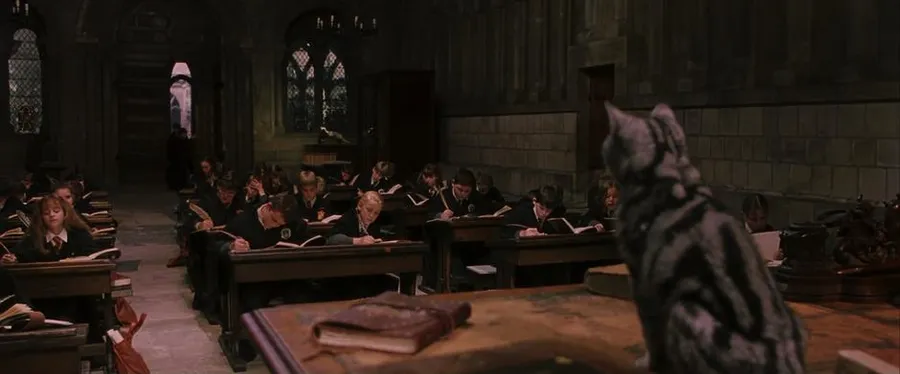
Warner Bros. · Scene image source
Movie frame
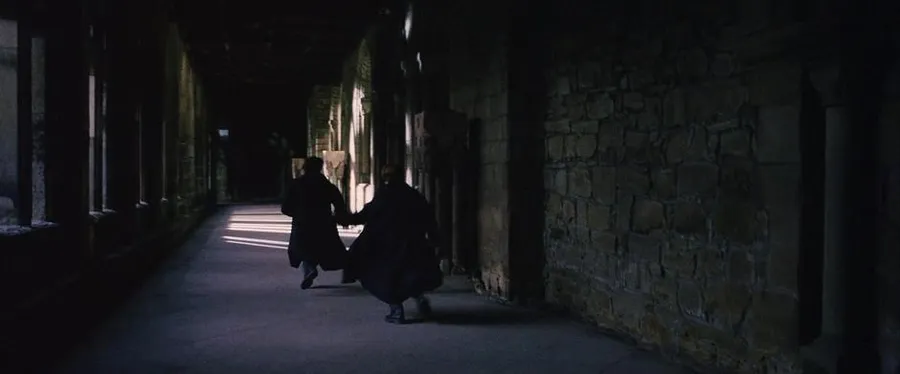
Warner Bros. · Scene image source
Filming evidence
Divinity School, Oxford
On screen: Hogwarts infirmary
The Divinity School stands in for the hospital wing; it should not be confused with nearby Duke Humfrey’s Library, another Oxford filming space.
- Architect / attribution
- William Orchard and other medieval master masons
- Building chronology
- 1427–1483
- Place
- Oxford, United Kingdom
In the film
Movie frames and production stills are shown separately from photographs of the real building. Film and image credits remain with their respective owners.
Movie frame
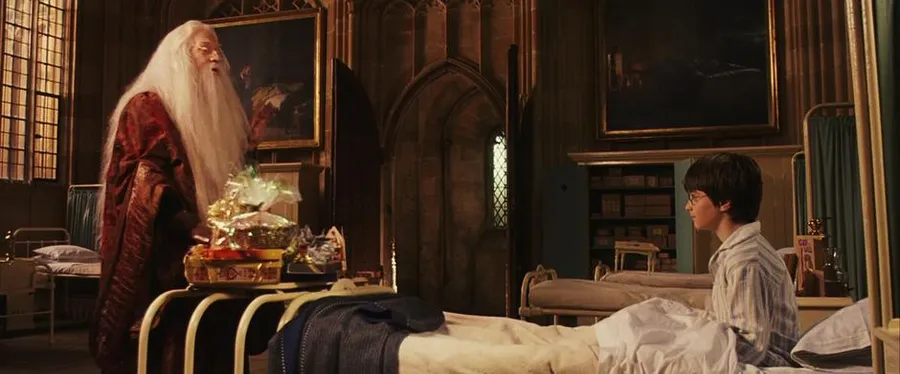
Warner Bros. · Scene image source
Movie frame
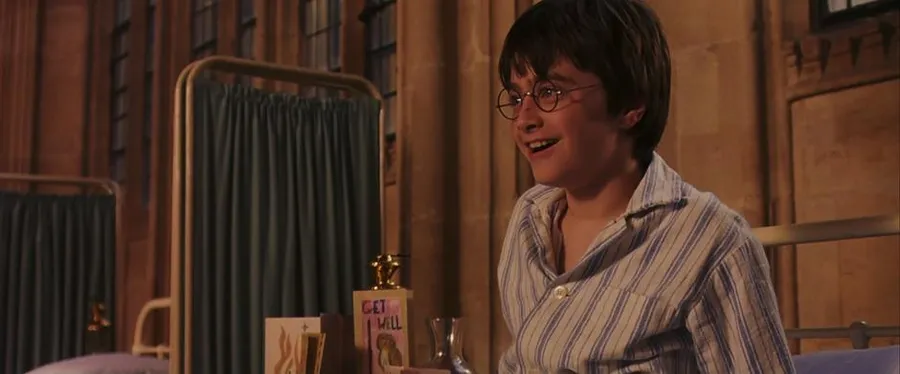
Warner Bros. · Scene image source
Filming evidence
Filming does not imply public access. Many locations remain homes, workplaces or heritage sites; consult each venue before visiting.