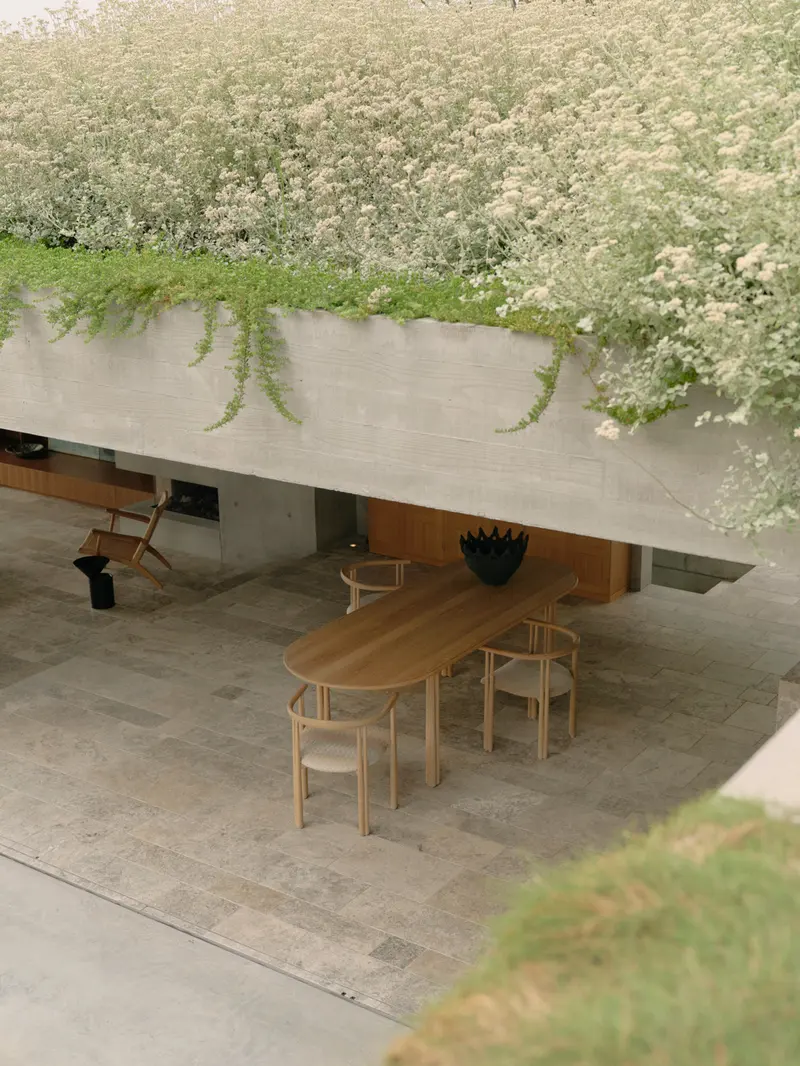
Nestled Among Bushland, Bunkeren Makes The Most Of Its Stunning Location
James Stockwell Architect · Newcastle, Australia
A descending section gives some rooms a sheltered ground relationship and others an outward reach.
Architecture & nature
Discover houses and public buildings that work with gardens, coastlines and changing ground levels.
1201 designs in this collection · How we select and source
James Stockwell Architect · Newcastle, Australia
A descending section gives some rooms a sheltered ground relationship and others an outward reach.
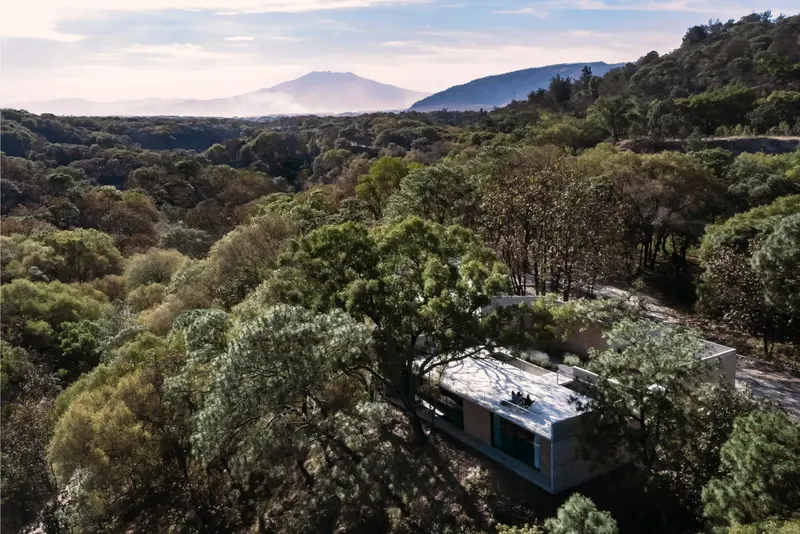
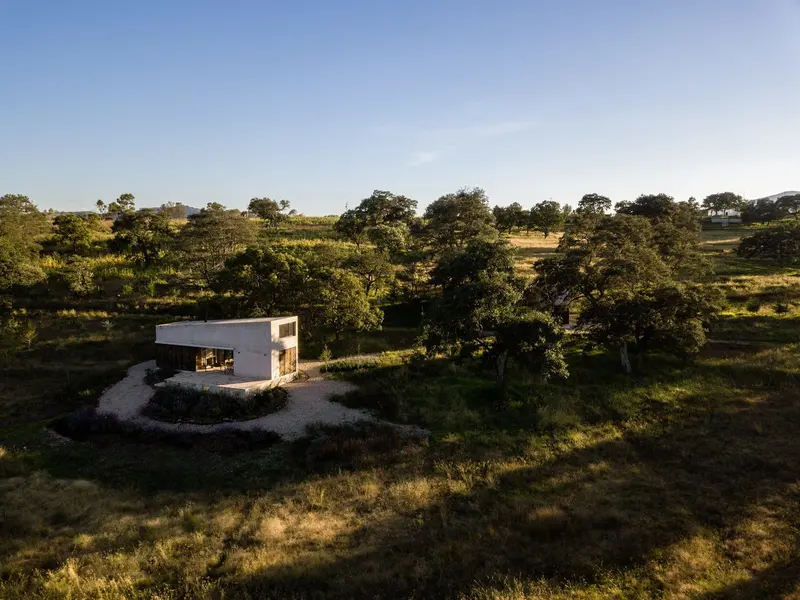
Pérez Gómez Arquitectura · Near Guadalajara, Mexico
Roof terraces and viewpoints extend occupation above the main domestic rooms.
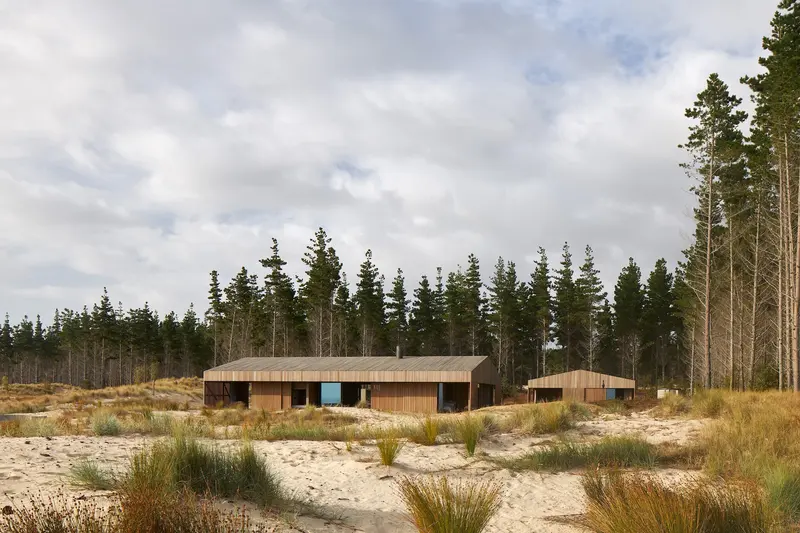
Fearon Hay; interiors with Sonja Hawkins · Te Arai, New Zealand
An outdoor gathering space sits between paired gabled volumes beside the dunes.
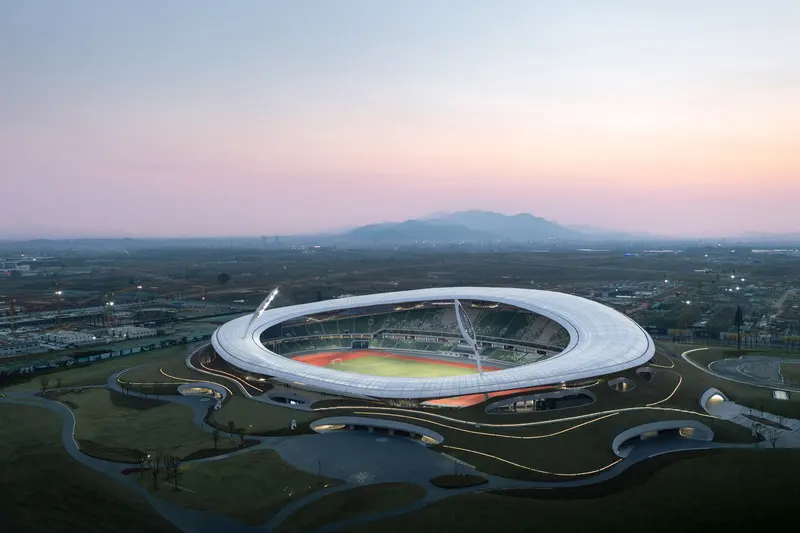
MAD Architects · Quzhou, China
A stadium is embedded within a larger landscape of paths, planted slopes and sports facilities.
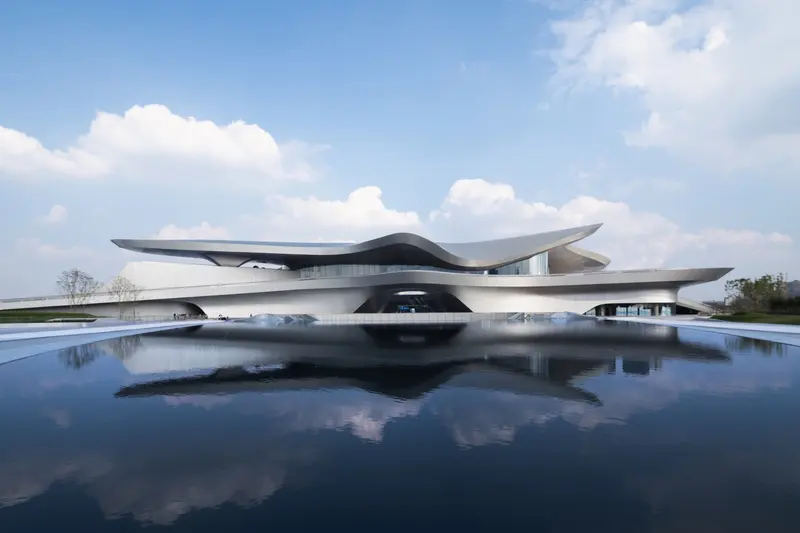
Zaha Hadid Architects · Chengdu, China
Lakefront pedestrian routes connect parkland with the museum’s gathering spaces.
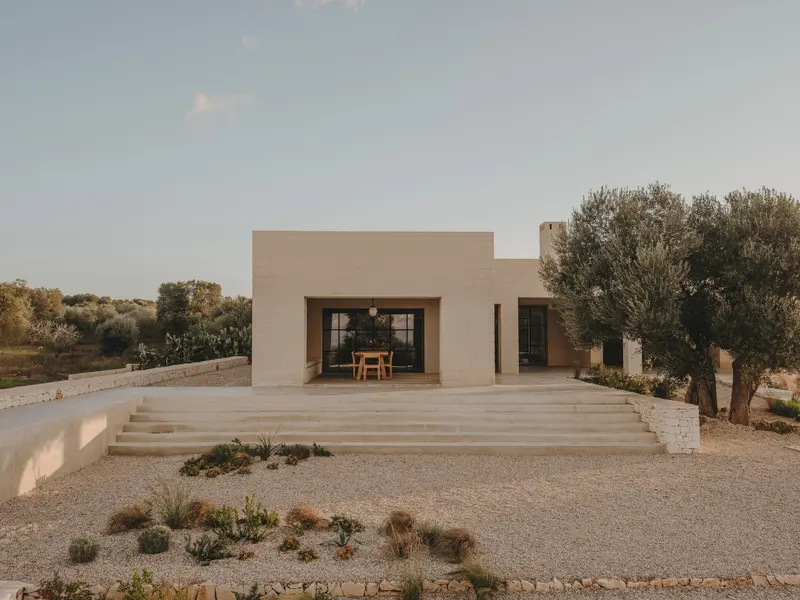
Studio Andrew Trotter · Carovigno, Italy
An elevated coastal house gives its shaded veranda an important role in daily living.
Photograph credits and the published project account are on each design page.
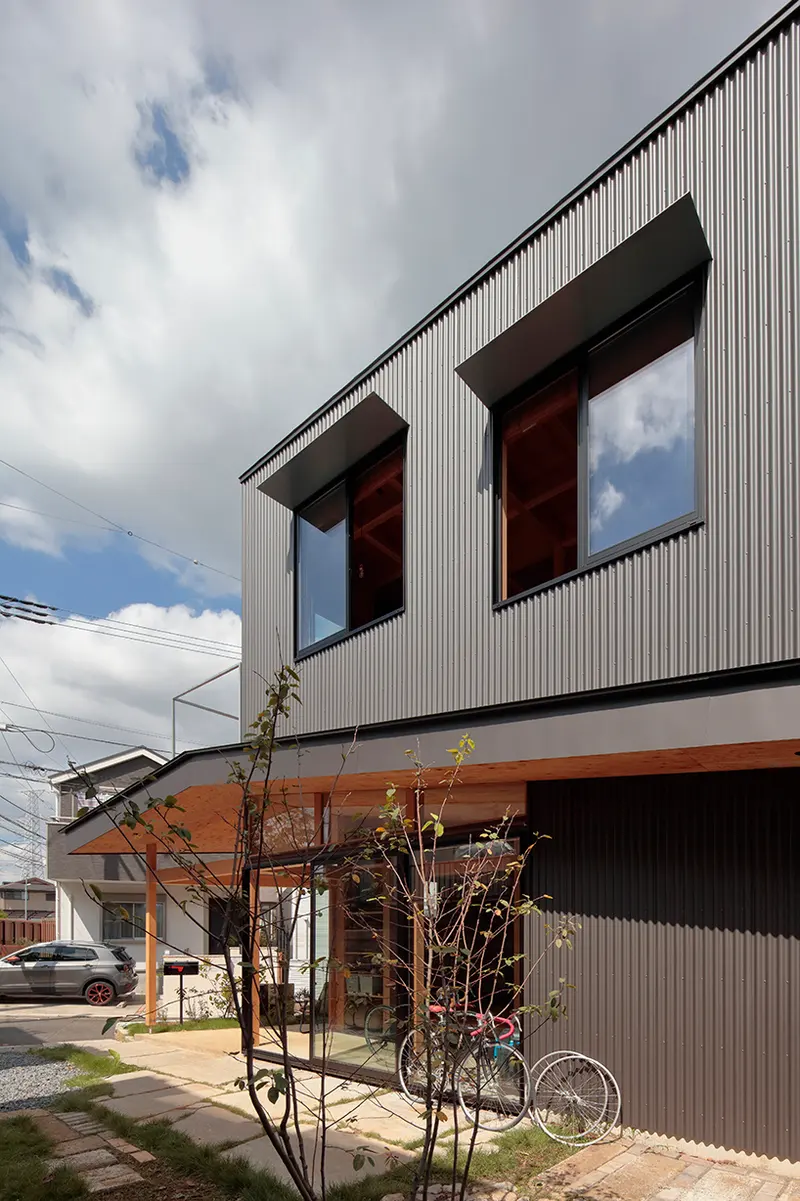
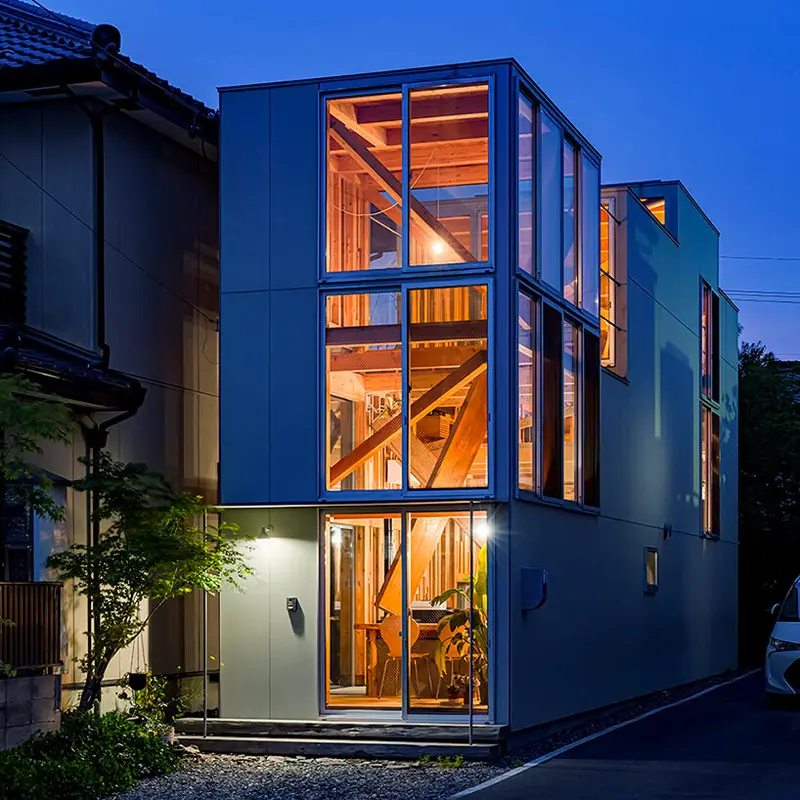
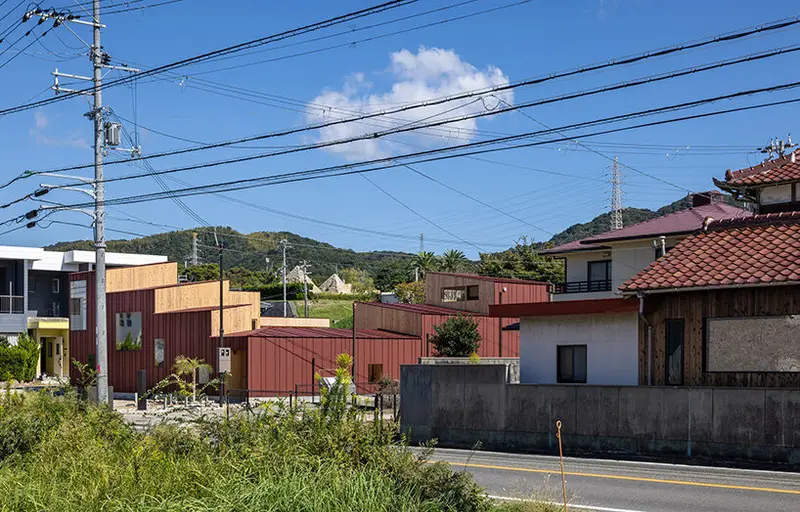
A building can meet its setting through a garden, a raised platform, a planted roof or a route through changing ground levels. The relationship is often easiest to understand in section and movement, not through a single distant view. These examples range from private houses to a public sports landscape.
Bunkeren descends a hillside, Casa Amapa places outdoor space above enclosed rooms, and Te Arai makes a gathering place between two buildings. Quzhou works at another scale, connecting a stadium with shaped public terrain.
These are comparisons of spatial strategies. Greenery is not a certification, and a dramatic landscape view is not evidence of public access. Each project keeps its source account, image credits and documented limits.
Compare the ground, enclosed rooms and occupied roofs. Similar-looking exteriors can hide very different relationships between those levels.
Follow approaches and thresholds. A path can connect building and landscape without making either one an isolated object.
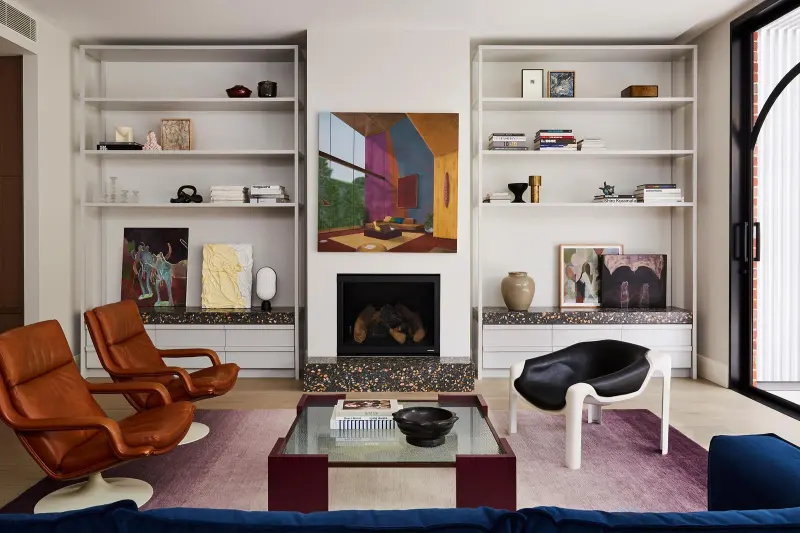
Design Anthology
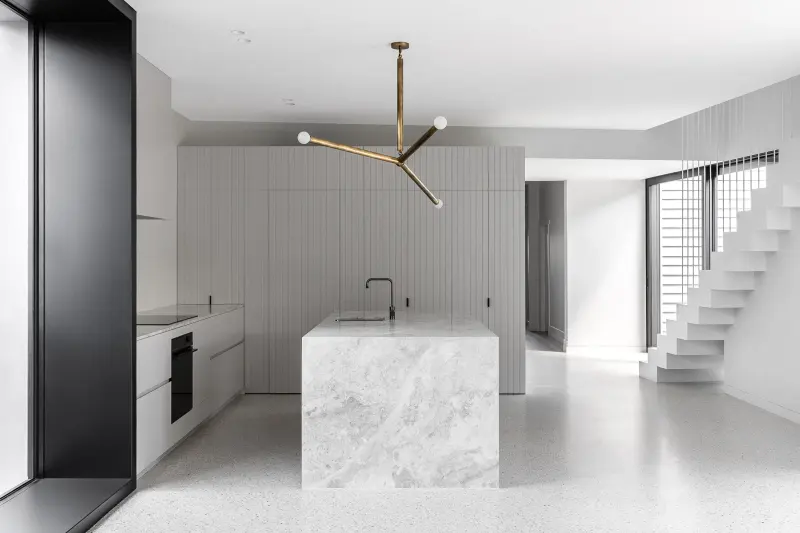
Design Anthology
Design Anthology
Design Anthology
designboom
designboom
designboom
designboom
designboom
designboom
designboom
designboom
designboom
designboom
designboom
IGNANT
designboom
designboom
designboom
IGNANT
Wallpaper*
Design Anthology
IGNANT
designboom